Experts Push for Action on Menstrual Health Services and Clean Water Gaps among School Girls and Women



Experts in menstrual health and water, sanitation, and hygiene (WASH) are calling for urgent action to close persistent gaps in access to menstrual health services and clean water, warning that these challenges undermine the dignity, education, and rights of women and girls.
In Uganda, menstrual health and WASH challenges remain deeply intertwined. A 2025 audit revealed that 64% of schoolgirls miss classes due to lack of menstrual materials and inadequate sanitation facilities, perpetuating dropout rates and limiting opportunities. While government investments have expanded access to safe water—82% of villages now have at least one safe source and 77% of rural households use safe sanitation—millions still face unreliable services.
The call was amplified during a virtual session hosted by Love Binti International, a non-profit organization that focuses on menstrual health, water access, and women’s empowerment across Africa, during the 70th session of the Commission on the Status of Women (CSW70) Forum, dubbed “No Justice Without Dignity: Menstrual Health, Water Access, and Women’s Rights.”
Development practitioners stressed that menstrual health must be recognized not just as a service‑delivery issue, but as a matter of justice and human rights requiring systemic policy and financing interventions, highlighting how limited access to menstrual health products and inadequate WASH infrastructure contribute to school absenteeism, health risks, and social stigma.
Elle Yang, Founder and CEO of Love Binti International, noted: “Access to menstrual health and water is not a privilege—it is a fundamental right. When we fail to invest in these areas, we are not only failing women and girls, we are undermining their ability to participate fully and equally in society.”
The Gender in Education Sector Policy (2016) in Uganda aims to achieve gender equality and equity in education by addressing disparities, removing structural and socio-cultural barriers, and enhancing girls' retention and performance. It promotes gender-responsive pedagogy, safe school environments, and the implementation of gender-aware practices
Participants called for increased funding, stronger policy integration, and greater collaboration between governments, civil society, and international organizations to ensure menstrual health and WASH are recognized as essential components of justice and development. The session aligned with the broader CSW70 theme of strengthening access to justice for women and girls by addressing structural barriers and promoting inclusive systems.
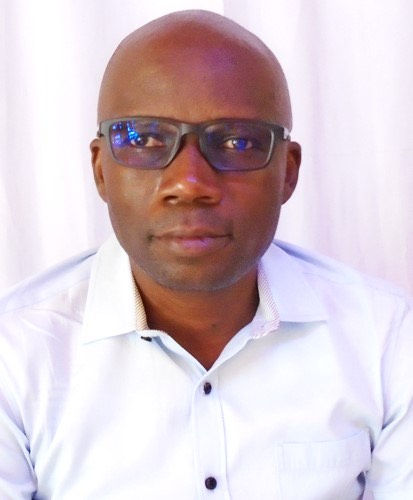
Neville Okwaro, a governance and systems strategist, noted: “Menstrual health must be embedded within public systems — from policy and budgeting to service delivery — if we are to close the gap between legislation and lived realities.”
Patricia Akoth of Love Binti International pointed to stigma and inadequate infrastructure as barriers to girls’ education, while also highlighting community‑led solutions such as reusable sanitary pad production that empower women economically and address menstrual health sustainably.
Caroline Owashaba, Founder of Action for Youth Development Uganda, underscored the broader implications of water access, noting that reliable sources improve women’s safety, time use, and participation in decision‑making. Moderator Neema Dumo emphasized the need for integrated approaches: “Menstrual health and WASH must be addressed together as interconnected drivers of dignity, education, and gender equality.”
In May last year, the First Lady & Minister of Education and Sports, Janet Kataaha Museveni, during the National Menstrual Hygiene Day, at Lugogo Cricket Oval, Kampala, noted that; “Teenage pregnancy and early marriages are serious threats to Uganda’s development. These issues rob children of their childhood, interrupt their education, increase their health risks, and trap them in intergenerational cycles of poverty. This is not merely a social issue, but a development emergency.”
She further added that her ministry had integrated menstrual health into the curriculum and was working with partners to improve WASH facilities and scale up access to menstrual materials.
The Speaker of Parliament, Anita Among, during the International Women’s Day 2026 Breakfast Meeting at Parliament earlier this month said reducing maternal mortality remains a national priority.
“We must strengthen investment in women and girls’ empowerment, including menstrual health, education, and financial inclusion, to ensure dignity and equality.”
While government officials remain consistent on their messaging regarding Menstrual hygiene and WASH initiative, adequate results are yet to be visibly seen and felt across school going girls and women in Uganda.


Comments