Kenya’s 23rd National Prayer Breakfast Calls for Forgiveness and Unity
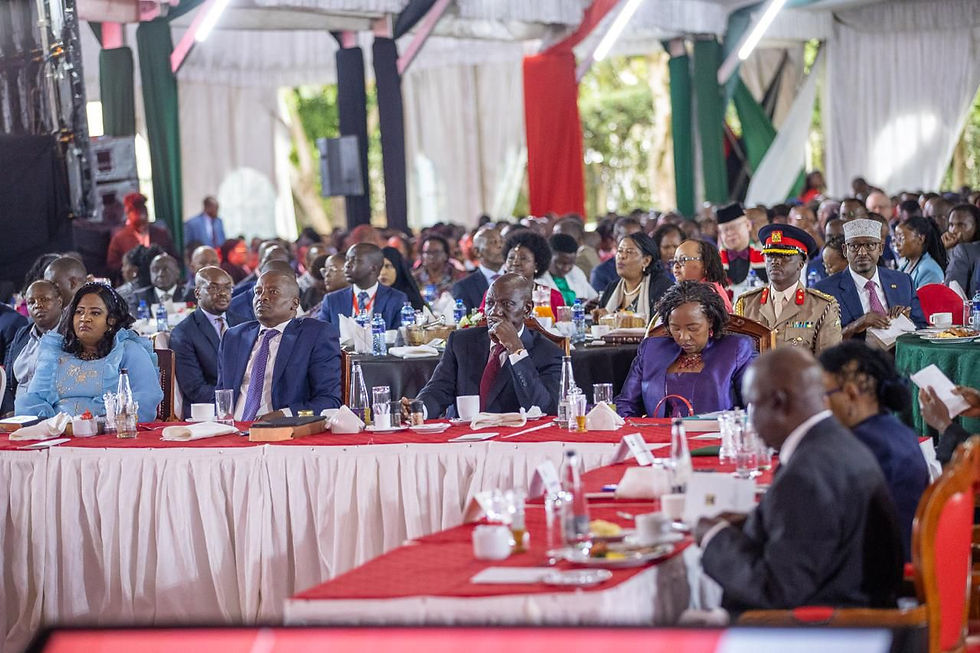
Kenya’s 23rd National Prayer Breakfast held at Safari Park Hotel in Nairobi, brought together leaders across the political divide to reflect on unity, forgiveness, and reconciliation. Senate Speaker Amason Kingi urged leaders to champion dialogue and humility as the country heads toward the next General Election, while faith leaders and civil society emphasized the need to translate prayer into tangible action for peace and social cohesion.
At Safari Park Hotel on May 28, 2026, Kenya marked its 23rd National Prayer Breakfast, a tradition that has grown into a cornerstone of national reflection since its inception in 2003. The gathering brought together political leaders, clergy, diplomats, and citizens under one roof to pray for the nation and deliberate on Kenya’s future.
Senate Speaker Amason Kingi delivered a keynote urging leaders to champion unity and reconciliation. He warned that as political realignments begin ahead of the 2027 General Election, the temptation to exploit divisions is high. “We must guard carefully against polarization and identity‑based mobilization. Kenya’s strength has always rested in its diversity, and our unity must remain our greatest national achievement,” Kingi said.
The breakfast was not just ceremonial. Leaders reflected on the fragility of trust in Kenya’s political system, acknowledging progress but admitting that mistrust and hostility remain. Kingi emphasized humility, calling on leaders to “climb down from the high horses of entitlement and political arrogance” and focus on the struggles facing ordinary citizens.
Faith leaders echoed the call, stressing that prayer must be matched with action. Archbishop Jackson Ole Sapit urged leaders to translate spiritual reflection into policies that address inequality, corruption, and insecurity. Civil society representatives highlighted the importance of dialogue in communities, especially in regions prone to ethnic tension.
The event also spotlighted Kenya’s broader challenges: economic pressures, youth unemployment, and insecurity in parts of the country. Participants discussed how reconciliation and ethical leadership could help build resilience against these issues. International partners present at the breakfast underscored Kenya’s role as a regional anchor, noting that its stability is vital for East Africa.
Beyond speeches, the breakfast offered a platform for leaders across divides to interact informally, fostering relationships that may prove crucial in moments of political tension. The symbolism of shared prayer and fellowship was clear: Kenya’s future depends on leaders’ ability to rise above partisan interests and embrace dialogue.
As the country edges closer to elections, the prayer breakfast served as a reminder that unity is not just a spiritual aspiration but a political necessity. The challenge now is whether the commitments voiced at Safari Park will translate into concrete actions—policies that heal divisions, protect vulnerable communities, and strengthen democratic institutions.
Comments