Failed Peace Deal Deepens Fears of Wider US-Iran War as Strait of Hormuz Becomes New Flashpoint
By Erick Githuku Mbogo
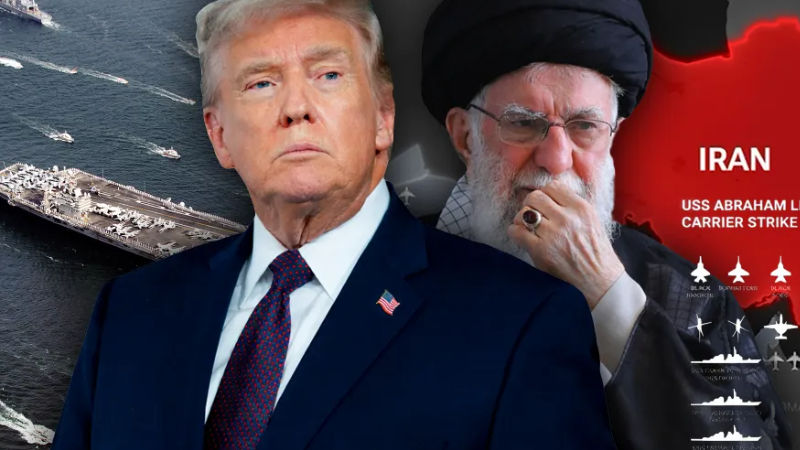
August 18, 2026: Hopes of a negotiated end to the U.S.-Iran war have weakened after a 60-day diplomatic window expired without a lasting agreement, leaving the strategically important Strait of Hormuz at the center of a confrontation threatening to deepen the region's security and economic crisis.
The deadline followed a June memorandum of understanding intended to halt hostilities and create a pathway towards resolving disputes over Iran's nuclear program, sanctions and access through the Strait of Hormuz. However, the agreement expired on Monday without the two sides reaching a comprehensive settlement.
The Associated Press reported that key elements of the arrangement, including the reopening of the Strait and the lifting of the U.S. blockade on Iran, were not fulfilled. Both Washington and Tehran have blamed the other for the collapse of the agreement.
The development has diverted attention away from the negotiating table and towards the possibility of resumed hostilities.
1.Hormuz becomes the immediate pressure point
The Strait of Hormuz, one of the world's most important energy routes, has emerged as the latest major pressure point in the conflict. Iran has been seeking an arrangement with Oman over the movement of ships through the waterway, while Washington has demanded access to the strait as part of its conditions for easing pressure on Tehran.
The Associated Press reported that Iran announced progress towards an agreement with Oman to reopen shipping through the strait. The development, however, has been complicated by President Donald Trump's increasingly forceful warnings against interference with U.S. objectives in the waterway.
Reuters reported that shipping through the Strait of Hormuz slowed after attacks on tankers, adding to concerns over the disruption of one of the world's major energy corridors.
The dispute has therefore developed beyond a military confrontation between Washington and Tehran. It now has direct implications for countries dependent on Gulf energy supplies and international shipping.
2.Economic pressure grows
The uncertainty is already being felt in global energy markets.
Oil prices have risen as traders assess the possibility of a prolonged disruption around Hormuz. On August 18, Brent crude moved above $91 a barrel, according to market reporting, as concerns over the future of the conflict increased.
In the United States, the prolonged conflict has also contributed to higher fuel prices. The Guardian reported that the national average price of gasoline had reached about $4.06 per gallon in August, with some states recording prices significantly above that level.
For countries that import fuel, continued instability around the Gulf could translate into higher transportation and production costs.
Iran faces pressure at home
While Tehran continues to project resistance to U.S. pressure, the economic consequences of the war are becoming increasingly difficult to ignore.
A Reuters report published on August 17 said Iranian leaders were concerned that additional economic pressure could worsen hardship and potentially fuel domestic unrest. The report noted that Iran's leadership was weighing the consequences of maintaining its resistance while facing further economic punishment from Washington.
This creates a difficult calculation for Tehran: accepting greater pressure could weaken its position, while continued confrontation risks further economic damage.
Washington also faces pressure
The consequences are not limited to Iran.
A Reuters/Ipsos poll reported on August 17 found that President Trump’s approval rating had fallen to 33%, its lowest level of his presidency. The survey also found that a large majority of Americans believed the conflict was likely to continue for an extended period.
The figures highlight a growing political challenge for Washington as the war affects household costs and raises questions over how long the United States should remain engaged militarily.
What comes next?
The immediate question is whether diplomacy can be revived before the current confrontation develops into another prolonged military escalation.
Iran has warned of adopting a more offensive posture if diplomacy fails, particularly around the Strait of Hormuz. Reuters reported that Tehran has threatened further action over the waterway, while the Trump administration has rejected extending the existing ceasefire arrangement.
Meanwhile, Oman and other regional actors remain important to attempts at mediation.
For civilians and businesses across the region, however, the consequences are already extending beyond the battlefield. Disrupted shipping, rising energy prices and uncertainty over diplomatic efforts are making the conflict an international economic concern.
The second phase of the crisis may therefore be determined not only by missiles and military deployments, but also by whether Washington and Tehran can find a way back to negotiations.
Sources: Reuters, Associated Press, The Guardian and Sky News.
Featured Article.


Comments